-p-500.png)
Pulpotomy vs Extraction: Which Is Better for the Baby Tooth?
When your child has a badly damaged or infected baby tooth, hearing two very different treatment options can be confusing. In a pulpotomy vs extraction decision, one option keeps the tooth while the other removes it.
Neither choice is automatically better. A pulpotomy may make sense when the baby tooth can still be repaired and needs to remain for years. A baby tooth extraction may be better when the tooth is too damaged to save, the problem has spread, or the tooth is already close to falling out.
Pulpotomy Vs Extraction: Quick Answer
A pulpotomy saves the baby tooth by removing the unhealthy part from inside it and protecting what remains. Extraction removes the entire tooth.
The choice depends on how many healthy teeth are left, how far the problem has reached, your child's age, and when the tooth should naturally fall out. Dr. Barnes helps parents compare these factors after examining the tooth and reviewing dental images.
Pulpotomy For Baby Teeth Explained
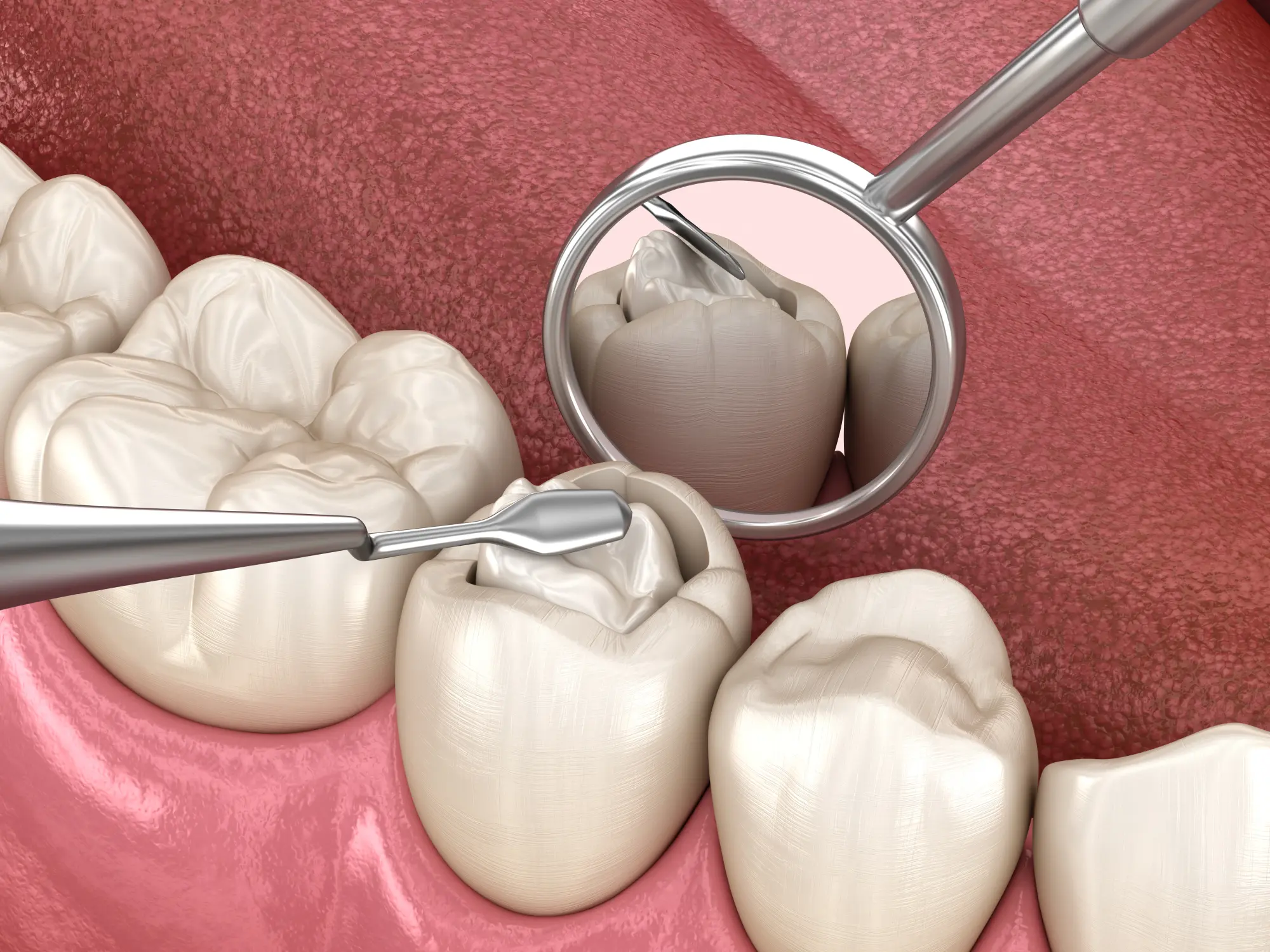
A pulpotomy is sometimes called a pediatric root canal or baby root canal, although it is simpler than a full adult root canal. The dentist removes the unhealthy part from the upper inside area of the tooth, cleans it, and protects the remaining tooth.
The goal of pulpotomy treatment for children is to keep a useful baby tooth in place until it is closer to falling out naturally. A protective crown may be recommended afterward.
Baby Tooth Extraction Explained
A child tooth extraction removes a baby tooth that cannot be kept safely or reliably. The area is numbed first, then the tooth is carefully removed.
If a back baby tooth comes out much earlier than expected, the dentist may also check whether the empty space needs to be kept open for the adult tooth developing underneath.
Pulpotomy: When Saving Works
Tooth Can Still Be Saved
A pulpotomy is more likely when enough strong teeth remain to repair and the problem has not spread too far. For example, a five-year-old with a damaged back baby tooth that needs to stay for several more years may benefit from keeping it rather than removing it early.
Tooth Needs To Stay Longer
Baby teeth help children chew and hold room for adult teeth. The American Academy of Pediatric Dentistry explains that the condition of the tooth and whether it can still be repaired help guide tooth-saving care.
Tooth Extraction: When Removal Makes Sense
Tooth Is Too Damaged
Extraction may be better when too little healthy tooth remains, the tooth cannot be repaired securely, or the infection has spread beyond what a pulpotomy can manage.
An infected baby tooth should not simply be ignored because it will eventually fall out. Tooth pain, swelling, or a gum bump should be checked promptly. If symptoms appear suddenly, emergency dental care can help determine the next step.
Tooth Is Almost Ready To Fall Out
Timing matters. If the damaged tooth is already loose and the adult tooth is close to coming in, saving it may offer less benefit. The same tooth in a younger child may need to stay for years, so age alone does not decide treatment.
Pulpotomy Vs Extraction: Key Differences
Parents often want to see the differences side by side. This quick comparison can help explain when saving a baby tooth may make sense and when removing it may be the better option.
Neither option is automatically better. A pulpotomy can protect a useful baby tooth, while extraction may be the safer choice when keeping the tooth is no longer practical.
If a child feels nervous about either treatment, comfort-focused sedation options may be discussed based on the child's individual needs.
Early Baby Tooth Extraction: What Changes?
Removing a baby tooth early can sometimes allow nearby teeth to move toward the open space, leaving less room for the adult tooth later.
Not every baby tooth extraction needs a space maintainer. The decision depends on which tooth was removed, the child's age, existing space, and how close the adult tooth is to coming in. Parents should ask what will happen to the space after extraction and whether follow-up care is needed.
Dentist Decision: What Matters Most
Before recommending pulpotomy or extraction, the dentist looks at how much healthy tooth remains, signs of infection, the child's age, and when that baby tooth should normally fall out.
Pediatric digital X-rays can show hidden areas, roots, infection, and developing adult teeth. Dr. Barnes can use the exam and images to explain whether saving the tooth is realistic and what may be needed if removal is recommended.
Pulpotomy Vs Extraction: Final Take
The better option depends on the tooth, not a simple rule. Pulpotomy can be useful when the baby tooth is repairable and needs to stay longer. Extraction may make more sense when the tooth is beyond saving or close to falling out.
Dr. Barnes helps parents understand the reason behind the recommendation and what happens next.
Why Choose Songbird Pediatric Dentistry?
Songbird Pediatric Dentistry helps families understand difficult baby-tooth decisions clearly. Dr. Barnes evaluates the tooth, explains whether saving or removing it makes sense, and guides parents through next steps. Care focuses on each child's comfort, the tooth's condition, and a treatment plan parents can understand with confidence at every visit.
Pulpotomy Vs Extraction FAQs
Is It Better To Save Or Pull A Baby Tooth?
Saving a baby tooth is often preferred when it can still be repaired and needs to remain for several years. Extraction may be better when the tooth is badly damaged, the infection has spread, or the tooth is already near its normal time to fall out.
Can An Infected Baby Tooth Be Saved?
Some infected or deeply damaged baby teeth can be saved with a pulpotomy when enough healthy tooth remains and the problem has not spread too far. An exam and X-ray help show whether saving the tooth is realistic or extraction is safer.
Does A Pulpotomy Hurt More Than An Extraction?
Both pulpotomy and baby tooth extraction are done with steps to keep children comfortable, including numbing the area. The experience depends on the tooth, the child's comfort level, and treatment needs, so one option is not always more painful.
Does My Child Need A Space Maintainer After Extraction?
Not every child needs a space maintainer after baby tooth extraction. It depends on the tooth removed, the child's age, available space, and how soon the adult tooth is expected. The dentist can judge this from the exam and X-rays.
What If The Baby Tooth Is Already Loose?
A loose baby tooth may be close to falling out naturally, which can make extraction more reasonable if it is badly damaged. If the tooth still needs to stay longer, the dentist may consider whether it can be saved and continue holding space.