

Baby Bottle Tooth Decay: How to Stop Decay Before It Spreads
A white patch, brown spot, or small hole on a baby tooth is easy to dismiss when your child is not in pain. But baby bottle tooth decay can worsen when teeth are repeatedly exposed to milk, formula, juice, or sweet drinks and are not cleaned well afterward. Early action can help keep a small problem from becoming harder to treat.
What Is Baby Bottle Tooth Decay?
Baby bottle tooth decay is tooth damage in babies and toddlers, often linked with repeated exposure to drinks containing natural or added sugars. It commonly affects the upper front teeth, although any baby tooth can be affected. Bedtime bottles and long periods of bottle use can increase risk.
You may also see early childhood caries or dental caries online. In simple words, both mean tooth decay. ADA guidance on baby bottle tooth decay explains why early tooth care matters.
What Causes Decay In Baby Teeth?
The bottle itself is not the main problem. Risk increases when teeth stay in contact with milk, formula, juice, or other sweet liquids again and again.
Bedtime Bottles
A bottle after brushing or during sleep can leave liquid around the teeth for a long time. A better order is: finish the feeding, brush the teeth, then go to bed.
Frequent Sipping
Carrying milk or juice in a bottle or sippy cup all day creates repeated sugar exposure. Offer these drinks with meals and use plain water between meals.
Sugar And Missed Brushing
Frequent snacks plus inconsistent brushing can increase tooth decay. Parents who need help adjusting food and drink habits can ask about children’s nutrition guidance.
Catch Baby Tooth Decay Early
Baby tooth decay may start before pain. Chalky white areas near the gumline may later become yellow, brown, or dark. A visible hole, sensitivity, or pain can mean the problem has progressed. Songbird also identifies white spots and early weak areas as changes that may need closer attention.
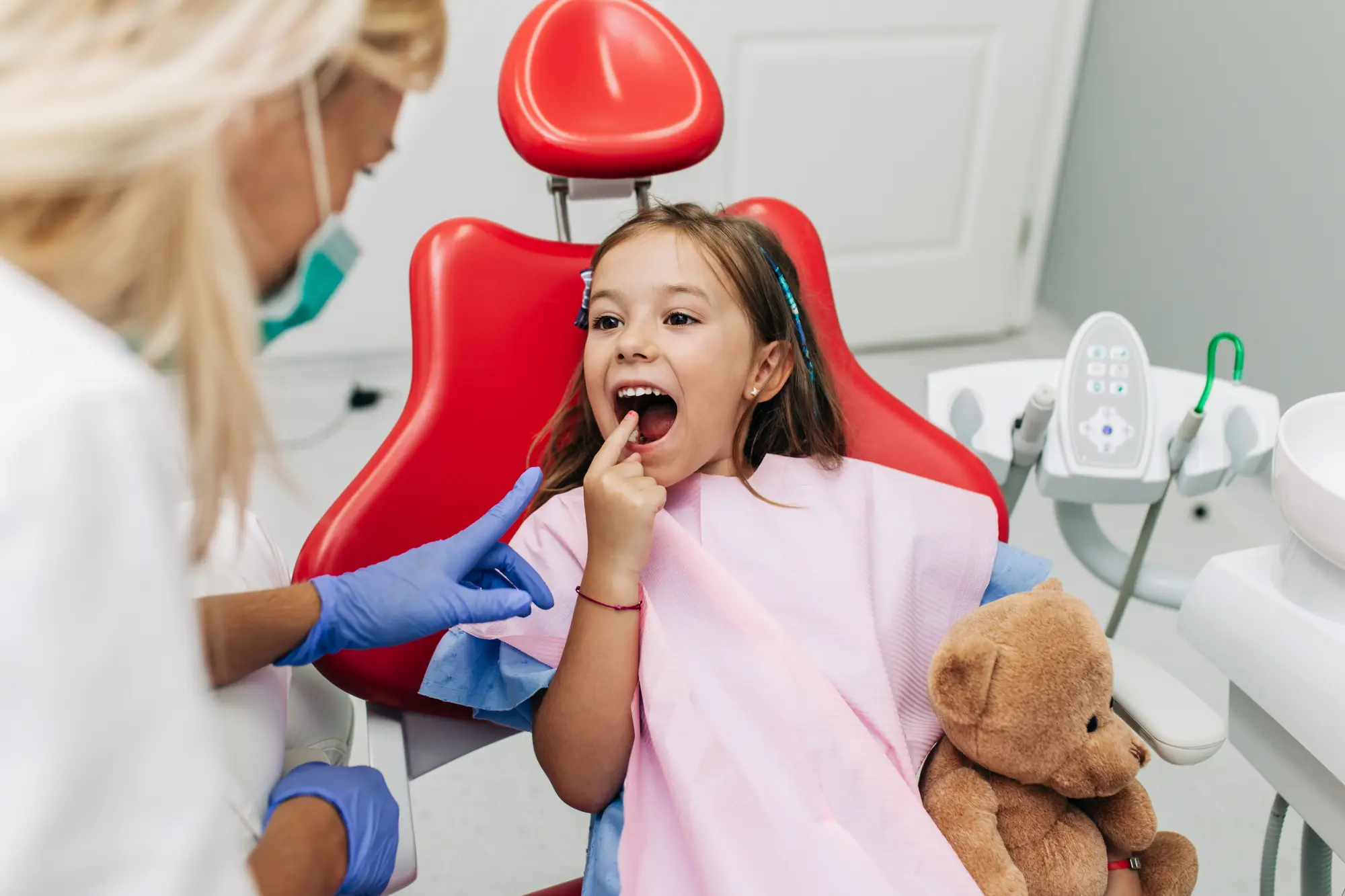
A pediatric cleaning and exam can check areas that are hard to judge at home. Dr. Barnes can also show parents where brushing needs improvement and which habits may raise cavity risk.
Can Baby Bottle Tooth Decay Be Stopped?
How much can be done depends on how early the problem is found.
When Decay Is Just Starting
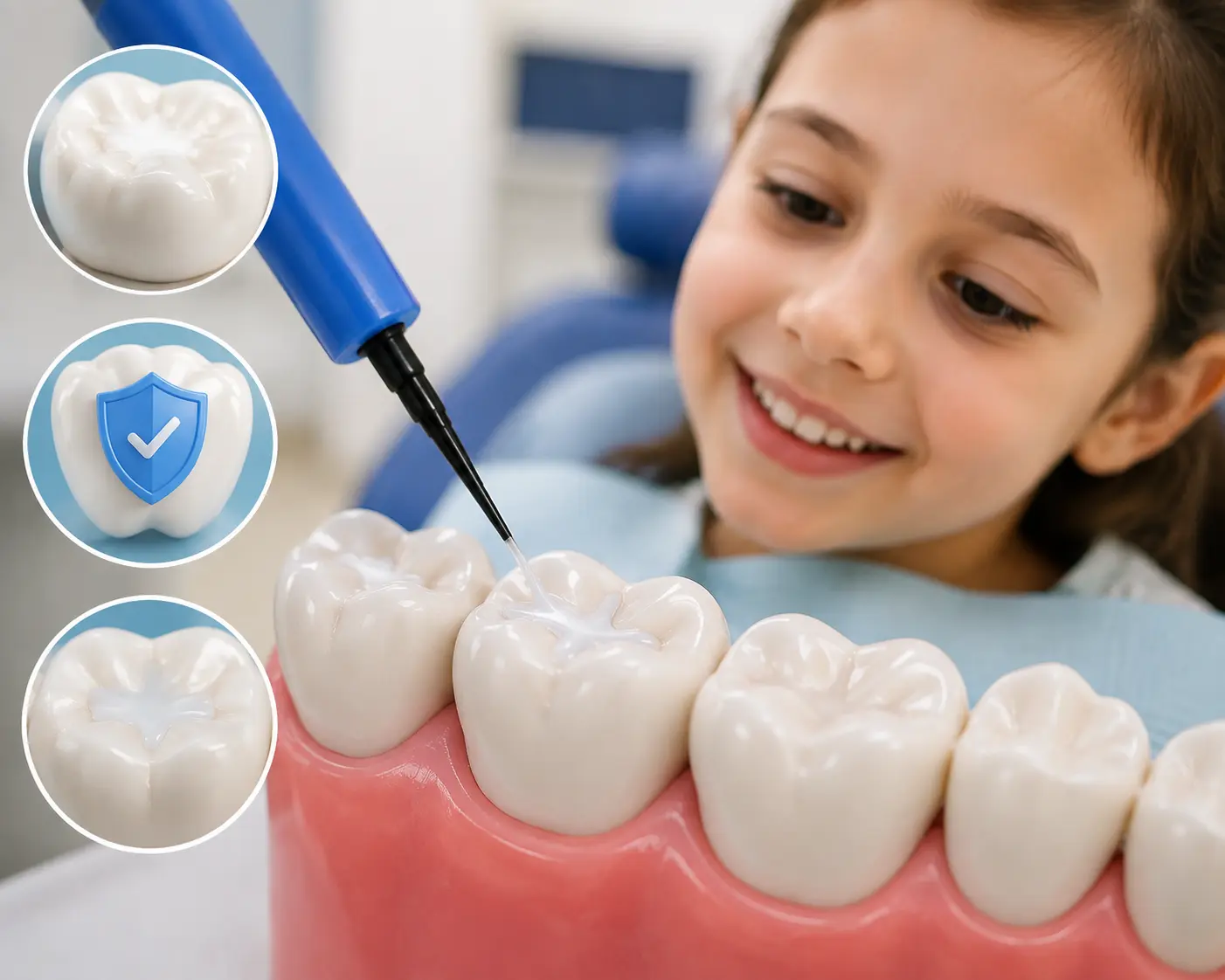
A weak-looking or chalky area does not always mean a hole has formed. Early weak spots may sometimes be strengthened with better brushing, fluoride, diet changes, and professional care. Gentle treatments for early weak spots may also be considered when appropriate.
When A Hole Has Formed
Once a cavity has created a real hole, brushing cannot rebuild the missing tooth. The goal becomes stopping further damage and protecting what remains. That is why an early dental opinion is useful.
How Is Toddler Tooth Decay Treated?
Toddler tooth decay treatment depends on the cavity’s size, location, and how much healthy tooth remains.
Small Early Areas
A dentist may combine better home care with a protective treatment. In selected cases, silver diamine fluoride for children can help slow or stop a cavity without drilling, although the treated decayed area can turn dark.
Cavities That Need Repair
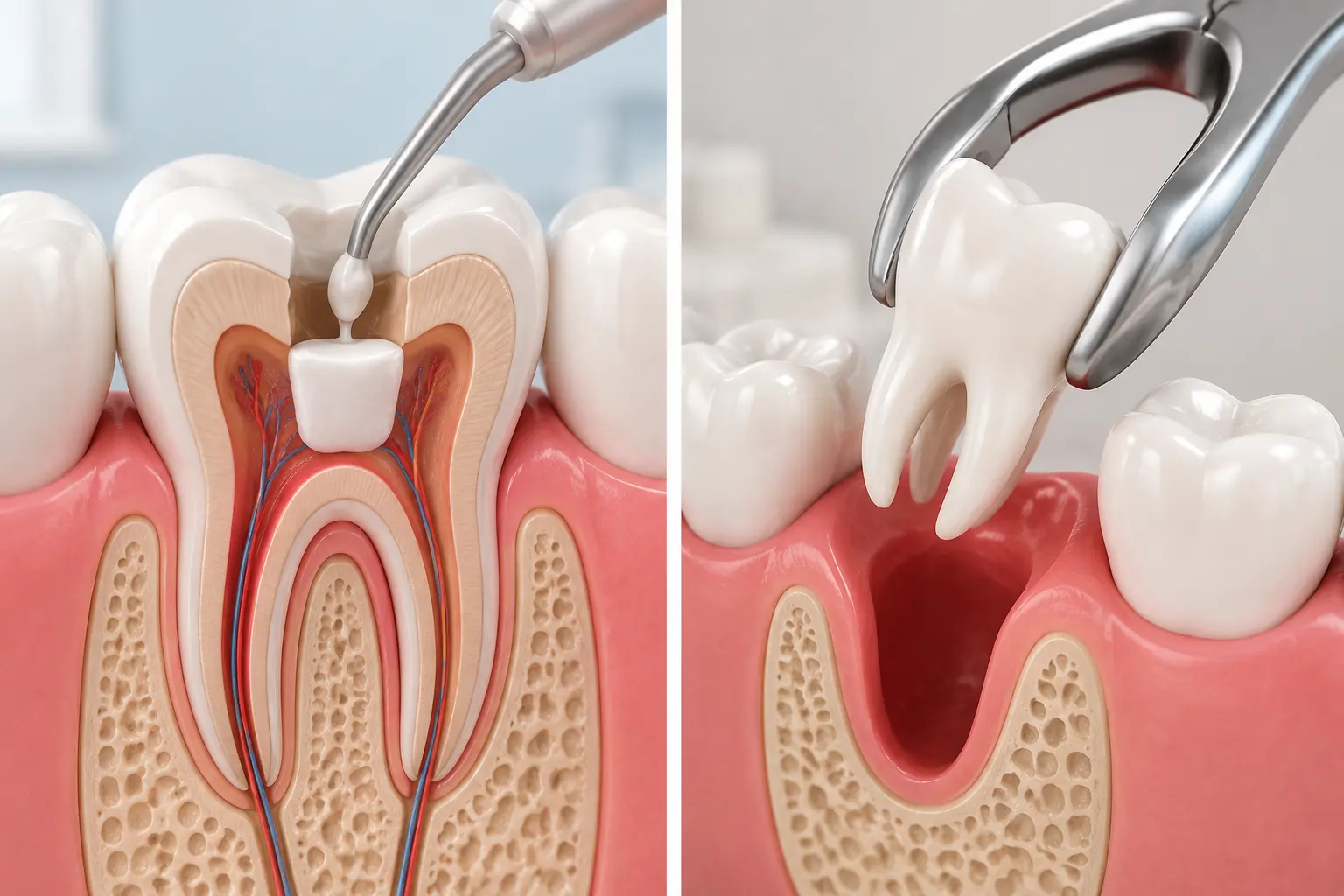
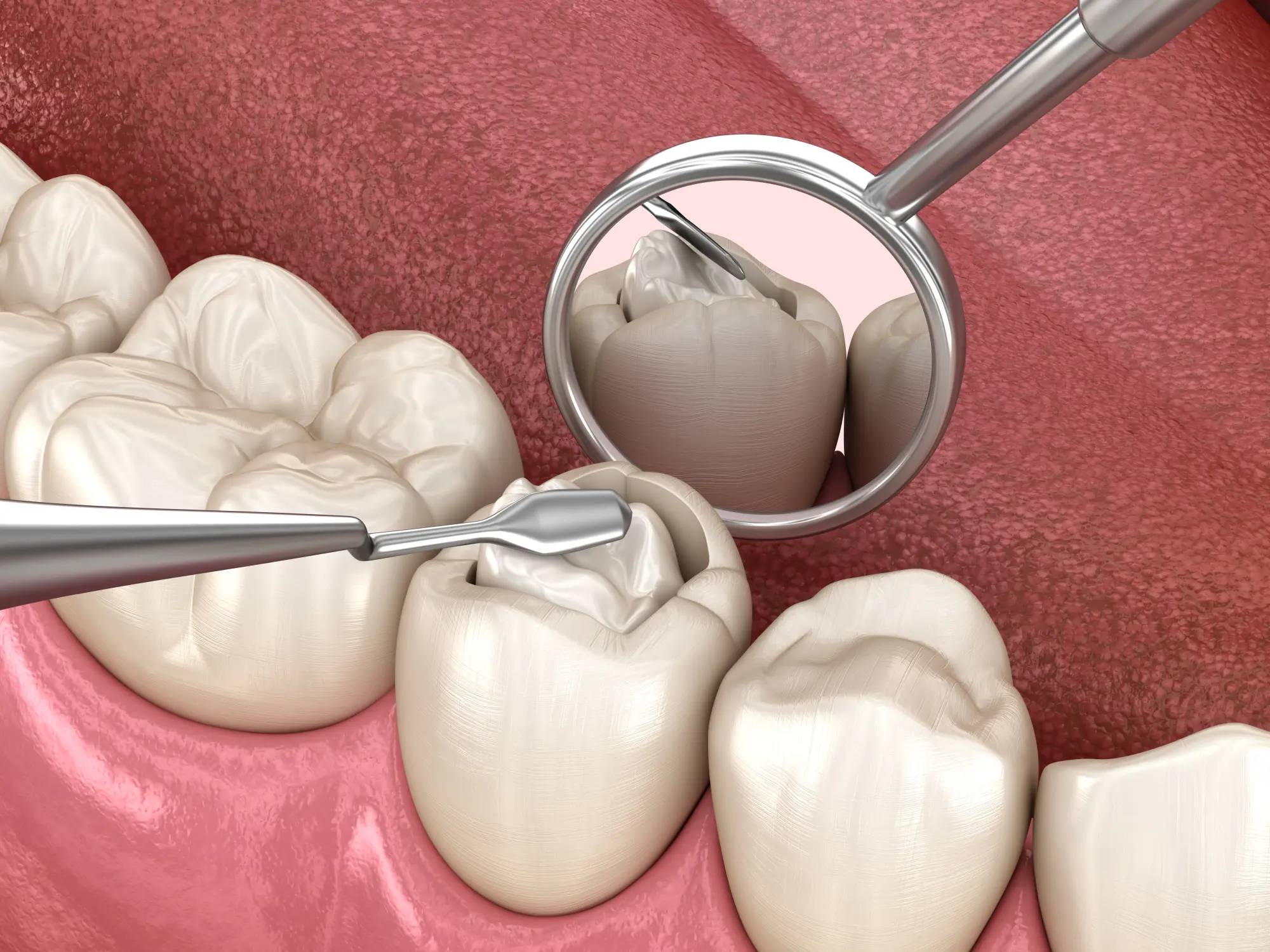
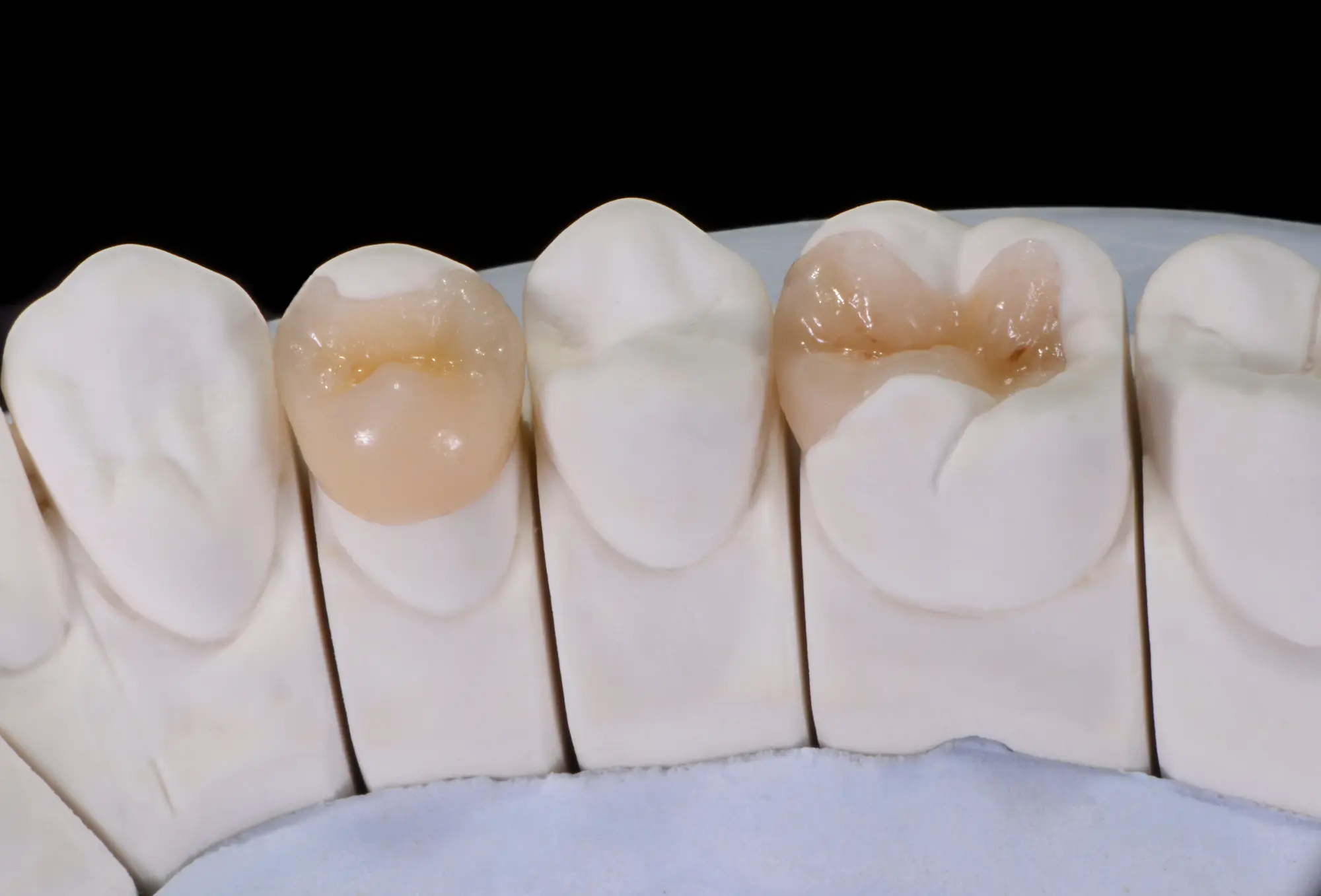
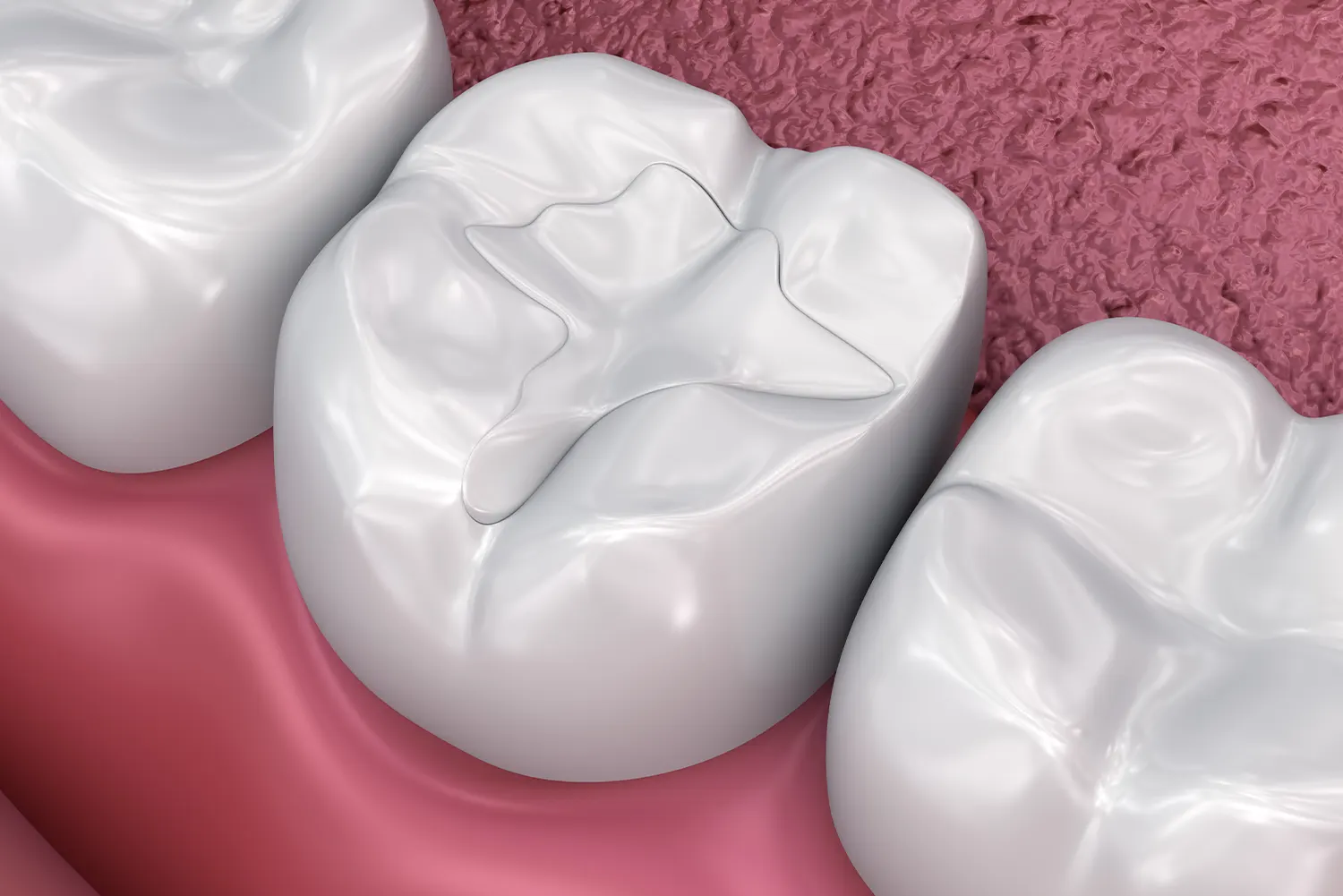
If a tooth has a clear hole, pediatric dental fillings may repair the damaged area and help the tooth keep working normally. Larger cavities may need another type of restoration.
Badly Damaged Teeth
Pain, swelling, or major damage can require more involved care. Dr. Barnes helps parents understand what can be saved, which option fits their child, and why a painful baby tooth should not simply be ignored. Songbird notes that untreated cavities can lead to pain, infection, or early tooth loss.
How To Stop Tooth Decay From Spreading
Small daily changes can make baby teeth care much more effective.
Change The Bedtime Routine
Use this order: milk or formula, brushing, then bed. If a toddler needs a bottle to fall asleep, move it earlier in the routine gradually rather than replacing it with juice or another sweet drink. The ADA recommends finishing bedtime and nap-time bottles before a child goes to bed.
Brush From The First Tooth
Brush twice daily with a soft child-size toothbrush. The ADA recommends a rice-sized smear of fluoride toothpaste from the first tooth until age three, then a pea-sized amount from ages three to six. Parents should help young children brush thoroughly.
Stop All-Day Sipping
Keep milk and sweet drinks with meals instead of allowing hours of sipping. Plain water is the better choice between meals because it does not keep exposing teeth to sugar.
Keep Preventive Visits Regular
Regular preventive dentistry can catch early changes and improve brushing and feeding habits before a small concern becomes painful.
When Does Baby Tooth Decay Need A Dentist?
Schedule a visit if you notice chalky white areas, brown or dark spots, a visible hole, sensitivity, or a child avoiding food on one side. These signs deserve a closer look even without pain.
If your child develops facial swelling, strong tooth pain, or swelling around a tooth, seek prompt emergency dental care. Songbird advises prompt professional attention for severe tooth pain and dental problems that may worsen if left untreated.
Protect Baby Teeth Before Decay Gets Worse
Baby bottle tooth decay is easier to manage before pain starts. Watch for white or brown spots, keep milk and sweet drinks away from teeth after brushing, brush twice daily, and avoid all-day sipping. If you already see a change, arrange a dental exam instead of waiting. Early care gives baby teeth a better chance to stay comfortable and useful as your child grows.
Why Choose Songbird Pediatric Dentistry?
Songbird Pediatric Dentistry gives families in Fairview child-focused guidance for preventing and managing tooth decay. Dr. Barnes helps parents understand what she sees, which habits may be raising cavity risk, and what next step fits the child. The goal is clear, comfortable care that protects growing smiles early with confidence.