
-p-500.avif)

Pediatric Dental Crowns: When Kids Need More Than a Filling?
Hearing that your child needs a crown can be surprising, especially if you expected a filling. Pediatric dental crowns and fillings have the same goal: repair a damaged tooth and help your child use it. The difference is how much protection the tooth needs.
A small cavity may need a filling. A weaker or more damaged baby tooth may need a crown.
What Are Pediatric Dental Crowns?
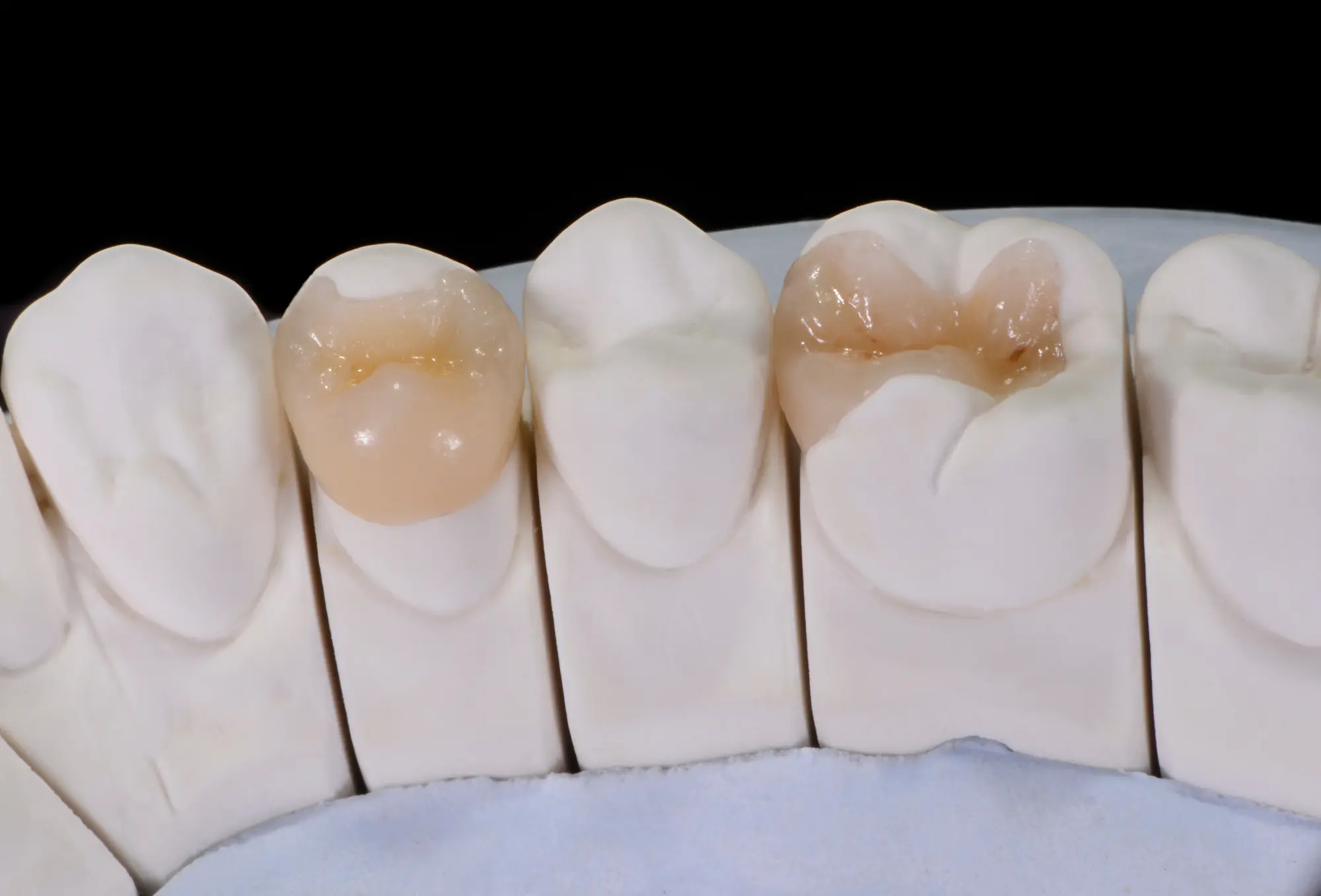
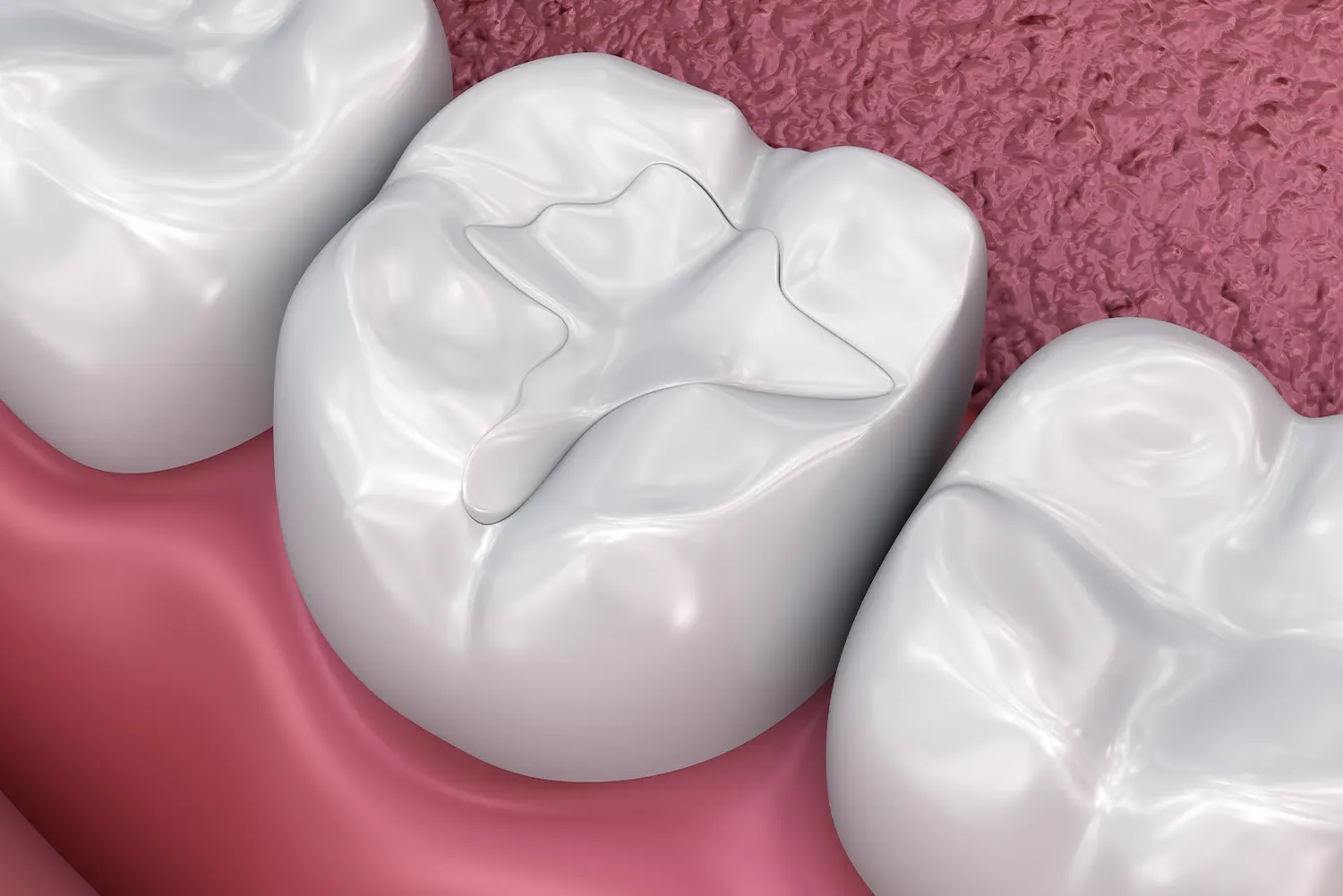
A pediatric dental crown is a cap that fits over a damaged tooth. A filling repairs one area, while a crown covers the visible part of the tooth.
Crowns may be used when a baby tooth is weak or damaged for a filling to be dependable. They are part of restorative dentistry.
The American Academy of Pediatric Dentistry notes that crowns can be appropriate when damage is extensive or another repair is more likely to fail.
When Is A Child's Dental Filling Enough?
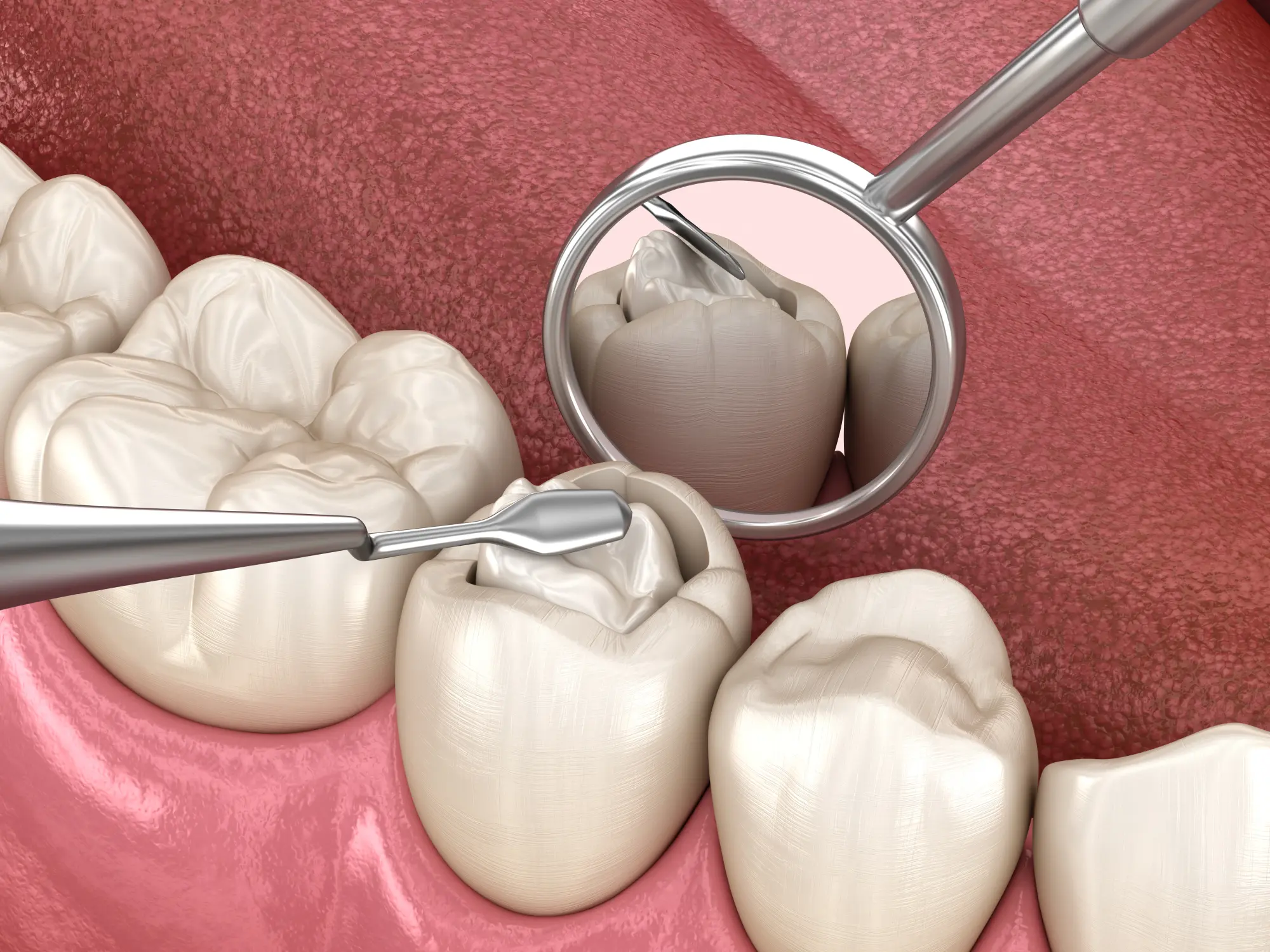
A cavity filling for a child may be enough when the damaged area is small and plenty of strong teeth remain around it.
For example, a small cavity on one chewing surface of a back tooth may need only a filling if the surrounding tooth is still strong.
Dr. Barnes can show parents where the cavity is and explain why a filling is expected to hold up.
When Does A Child Need A Dental Crown?
A crown becomes more useful when a filling would leave the tooth with too little support. Dentists look at the whole tooth, not one fixed cavity size.
Large Cavities Need More Support
If a cavity has spread across several parts of a tooth, a large filling may leave too little strong tooth around it. A crown gives the tooth fuller protection during chewing.
Cracked Baby Teeth Need Protection
A fall or hard bite can crack a baby tooth. If enough teeth can still be saved, a crown may protect the weakened area better than a filling.
For sudden pain, swelling, or a broken tooth, emergency dental care may be needed first.
Weakened Teeth Need Full Coverage
Sometimes deeper damage leaves less strong teeth behind after repair. A crown can cover what remains and help protect it during normal chewing.
Naturally Weak Teeth Need Extra Help
Some children's teeth form with weak areas that chip or develop cavities more easily. If much of the tooth becomes weak, full coverage may be more dependable than a small filling.
Why Save A Baby Tooth With A Crown?
Parents often ask why a crown for a baby tooth is needed when the tooth will eventually fall out. The key question is how long it still needs to stay.
Baby teeth help children chew, speak, and keep space for adult teeth. A baby tooth crown may help a damaged tooth remain useful until it is naturally ready to come out.
The dentist considers the child's age, the tooth involved, and how much damage is present.
How Do Dentists Choose A Crown Or Filling?
Before recommending a dental crown or filling, the dentist may consider:
- How much healthy tooth is left
- How deep and wide the cavity is
- Whether the tooth is cracked or weak
- How long the tooth needs to remain
- Whether a filling is likely to stay secure
Children's digital X-rays can help show damage that is not easy to see by looking at the tooth alone.
Dr. Barnes can review the tooth and X-ray with parents and explain why one tooth may need a filling while another needs fuller coverage. A crown is not automatically better. The better choice is the repair that gives that tooth enough support.
Which Pediatric Dental Crown Type Fits Best?
The best crown type depends on the tooth, needed strength, appearance, and the child's situation.
Silver Crowns
Silver-colored crowns are commonly used on back baby teeth because they provide full coverage and can handle chewing forces.
White Crowns
White crowns look closer to natural teeth and may be considered when appearance matters. The right choice still depends on the tooth and child's needs.
What Happens During A Child's Crown Visit?
The dentist keeps the child comfortable, removes the damaged part, shapes the tooth, chooses a crown that fits, places it securely, and checks the child's bite.
For children who are very worried or have difficulty sitting through care, parents can ask about pediatric dental sedation options. Not every child needs sedation, so the choice should match the child's comfort and treatment needs.
How Long Does A Baby Tooth Crown Last?
A crown is generally intended to protect a baby tooth while it is still needed. In many cases, it stays attached until the baby tooth becomes loose and falls out naturally.
Continue brushing around the crown and keep regular pediatric dental cleanings and exams. Call the dentist if the crown becomes loose, comes off, or your child develops new pain or swelling.
When A Pediatric Dental Crown Makes Sense
A small cavity may only need a filling, while a larger, cracked, or weakened baby tooth may need the fuller protection of a crown. The key question is which repair is most likely to protect the tooth for the time it still needs to last.
If you are unsure, ask the dentist to show you the damaged area and explain what could happen with a filling instead.
Why Choose Songbird Pediatric Dentistry?
Songbird Pediatric Dentistry helps families understand why children may need a filling, crown, or repair before treatment begins. Dr. Barnes guides parents through the tooth's condition, choices, and next steps, helping them make informed decisions while keeping their child's comfort, function, and long-term dental needs in mind over time.
Common Pediatric Dental Crown FAQs
Does A Baby Tooth Really Need A Crown?
A baby tooth may need a crown when too much of the tooth is damaged for a filling to stay strong. The crown can protect the tooth so your child can keep chewing comfortably until the tooth is ready to fall out.
Why Would A Child Get A Crown Instead Of A Filling?
A filling repairs one damaged area, while a crown covers most of the visible tooth. A dentist may recommend a crown when a large cavity, crack, or weakness leaves too little strong tooth to support a filling.
Does Getting A Dental Crown Hurt A Child?
The dentist takes steps to keep the tooth comfortable while placing a crown. Your child may notice pressure or mild soreness afterward, but the experience varies. Ask how comfort will be managed before treatment begins.
Will The Crown Come Out When The Baby Tooth Falls Out?
Yes, a crown placed on a baby tooth normally stays attached to that tooth. When the baby tooth becomes loose and falls out naturally, the crown usually comes out with it rather than remaining behind too.
What Should I Do If My Child's Crown Comes Off?
Keep the crown if you can find it and call your child's dentist promptly. Avoid trying to glue it back at home. If your child also has strong pain, swelling, bleeding, or an injury, ask whether urgent dental care is needed.







Frequently Asked Questions