
-p-500.avif)
Benefits of Dental Sealants for Kids: Are They Worth It?
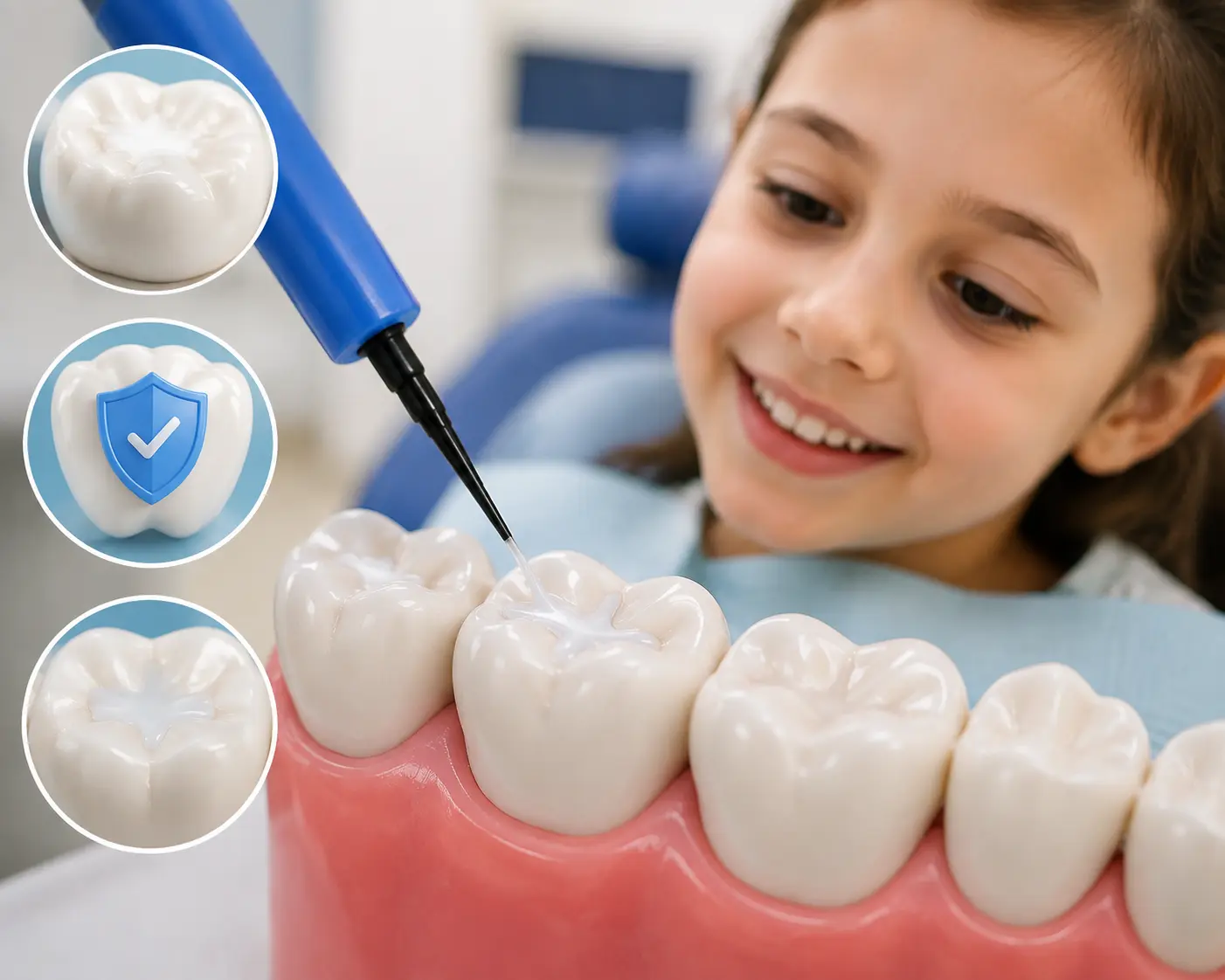
Even children who brush every day can miss the tiny grooves on their back teeth. Food and plaque can settle in these narrow areas, making them common spots for cavities. That is why many parents ask about the benefits of dental sealants and whether this extra step is really worth it.
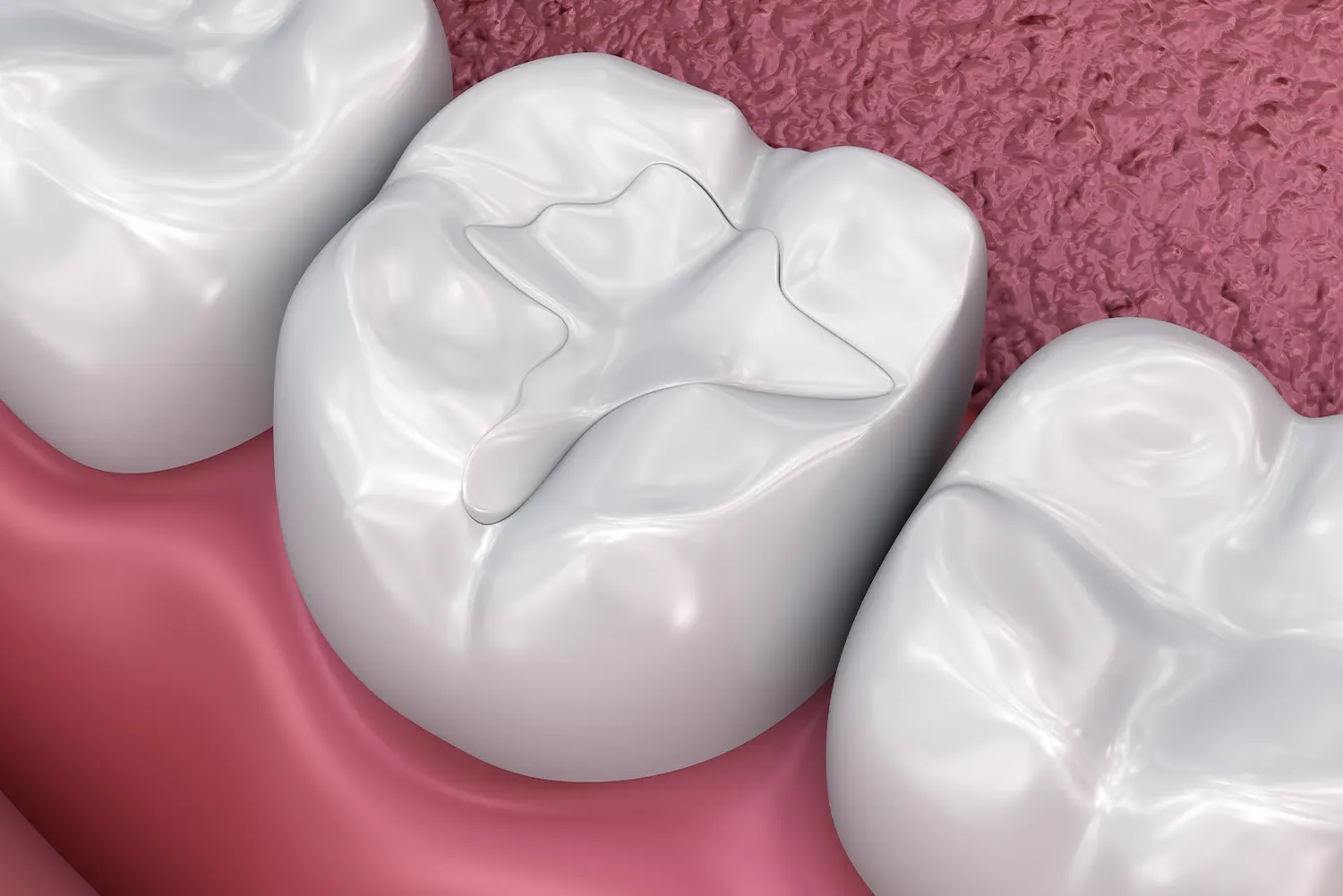
Dental sealants add a thin protective layer over the chewing surfaces of back teeth. They do not replace brushing, flossing, or regular dental visits, but they can give cavity-prone areas added protection during important growing years.
How Dental Sealants Stop Cavities
Back teeth have natural dips and grooves that help with chewing. The problem is that a toothbrush may not reach all the way into these small spaces. When food and plaque remain there, cavities can develop.
Dental sealants work by covering these grooves with a smooth protective coating. This makes it harder for food and cavity-causing buildup to settle into the tooth. Think of it like covering a small crack in a countertop so crumbs cannot keep collecting inside it.
For parents exploring prevention, dental sealants can be one part of a wider plan that also includes daily home care and regular checkups. Songbird describes sealants as added protection for hard-to-clean back teeth.
Benefits Of Dental Sealants For Children
The biggest benefits of dental sealants for children come from protecting the teeth that are often hardest for kids to clean well.
Protect Hard-To-Brush Back Teeth
Children are still learning how to brush thoroughly, and back molars can be especially difficult to reach. Sealants create a smoother surface over deep grooves, adding cavity protection for kids' molars where a toothbrush may miss.
This is especially helpful after permanent back teeth come in, because children need those teeth for many years.
Lower The Chance Of Cavities
Sealants are designed to block food and plaque from settling into the chewing grooves of back teeth. The American Dental Association reports strong evidence supporting sealants for preventing cavities in children's molars. Parents can read the American Dental Association guidance on dental sealants for more detail.
Sealants are not a guarantee that a child will never get a cavity, but they can reduce risk on the surfaces they cover.
Keep Visits Simple And Comfortable
Placing sealants is usually quick. The tooth is cleaned and dried, the sealant is placed, and it is hardened so it stays over the grooves. Routine placement does not require drilling or numbing.
For a child who feels unsure about dental visits, a simple preventive step can be easier than dealing with a cavity later.
Reduce The Need For Future Repairs
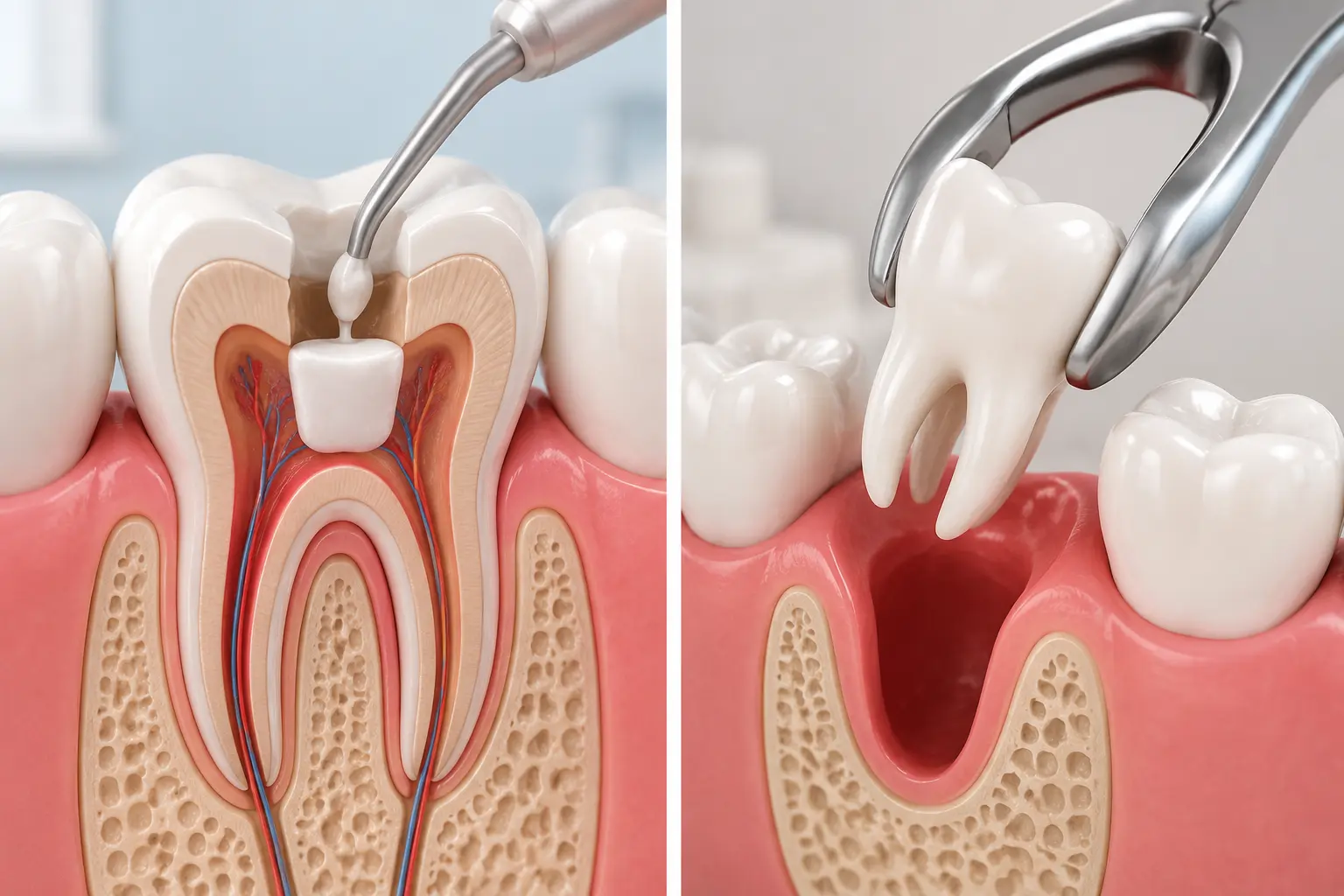
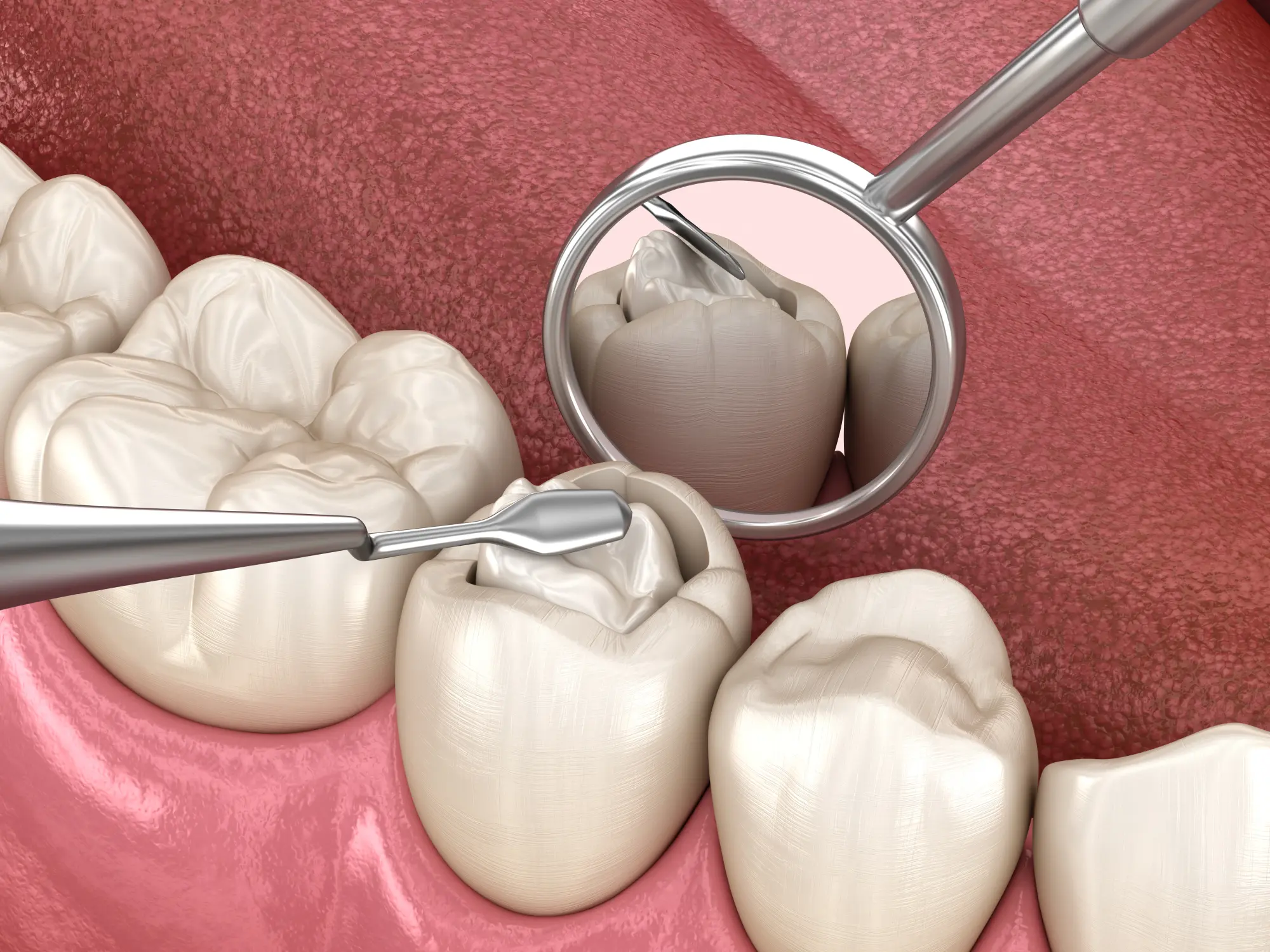
Preventing a cavity may also help a child avoid a filling, tooth pain, or extra visits later. If a cavity does develop, dental fillings may be needed to repair the tooth.
Sealants are therefore best viewed as prevention rather than a repair for a badly damaged tooth.
Which Kids Need Dental Sealants Most?
Tooth sealants for children are often most useful when back teeth have deep grooves, permanent molars have recently appeared, a child has had cavities before, or brushing those areas is difficult.
Not every child has the same cavity risk. During pediatric cleanings and exams, Dr. Barnes can look at the shape of a child's back teeth, check how well they are being cleaned, and explain whether sealants would add useful protection. Songbird's own care information emphasizes checking each child's needs and giving parents clear home-care guidance.
Parents should also ask about other parts of a prevention plan. For some children, fluoride treatments may be recommended alongside good brushing, flossing, and eating habits.
When Should Kids Get Dental Sealants?
Sealants are commonly considered when permanent back molars first come in. The first set often appears around age six, with another set commonly arriving around age twelve. Protecting these teeth soon after they appear can help during years when children are still improving their brushing skills.
Age alone does not decide whether sealants are needed. Dr. Barnes can check newly arrived molars during a routine visit and help parents decide whether the grooves, cleaning difficulty, and cavity history make sealants a sensible choice.
Are Dental Sealants Worth It For Kids?
For many children, yes. Dental sealants can be worth it for kids when they protect deep, hard-to-clean grooves that are likely to trap food and plaque.
The best comparison is prevention versus repair. A sealant is placed on a tooth before a cavity causes damage. A filling is used after part of the tooth has already been affected. Preventing that damage can mean a simpler experience for the child.
Still, sealants should not be treated as automatic for every tooth. A child with shallow grooves, excellent cleaning, and a low cavity risk may have different needs from a child who repeatedly develops cavities.
A strong prevention plan may combine sealants with preventive dental care for children, regular checkups, fluoride when appropriate, and practical food choices.
What Dental Sealants Cannot Do
Sealants protect specific chewing surfaces, not every part of every tooth. Cavities can still form between teeth or in areas the sealant does not cover.
They also cannot replace brushing twice a day, cleaning between teeth, or regular dental visits. Sealants may wear, chip, or come off over time, so they should be checked during routine appointments. Songbird similarly advises continuing daily brushing, flossing, and regular visits after sealants are placed.
Parents can also support prevention through nutrition guidance for children's teeth, especially if frequent sugary snacks or drinks are part of the child's routine.
Why Choose Songbird Pediatric Dentistry?
Songbird Pediatric Dentistry helps families make prevention decisions based on each child's teeth, habits, and cavity risk. Dr. Barnes explains whether sealants are useful, what they can protect, and what home care still matters, helping parents choose practical steps for keeping growing smiles healthier with clear, child-focused guidance at visits.








Frequently Asked Questions
Are Dental Sealants Necessary If My Child Has Never Had A Cavity?
%402x%20(2).svg)
A cavity-free history does not always mean sealants are unnecessary. Kids with deep grooves or newly arrived back molars may still benefit. A dentist can check tooth shape, brushing habits, and cavity risk before recommending sealants.
Are Dental Sealants Safe For Children?
Dental sealants are widely used to protect children's back teeth. The ADA supports their use for cavity prevention. Parents with concerns about materials can ask what sealant is used and discuss any specific questions before placement.
Can A Child Still Get Cavities With Dental Sealants?
Yes. Sealants mainly protect the chewing grooves they cover. Cavities can still develop between teeth or on uncovered surfaces, so children still need brushing, flossing, regular checkups, and healthy snack habits.
How Long Do Dental Sealants Last On Kids' Teeth?
Sealants can protect teeth for several years, but they may wear or chip sooner in some children. Regular dental visits allow the dentist to check whether each sealant is still covering the tooth properly and repair it if needed.
Does My Child Still Need To Brush After Getting Sealants?
Yes. Sealants add protection to hard-to-clean grooves but do not clean the rest of the tooth. Children still need twice-daily brushing, cleaning between teeth, and regular dental visits to protect areas sealants cannot cover.